Eco-Friendly Travel Checklist: Zero-Waste Packing Kit
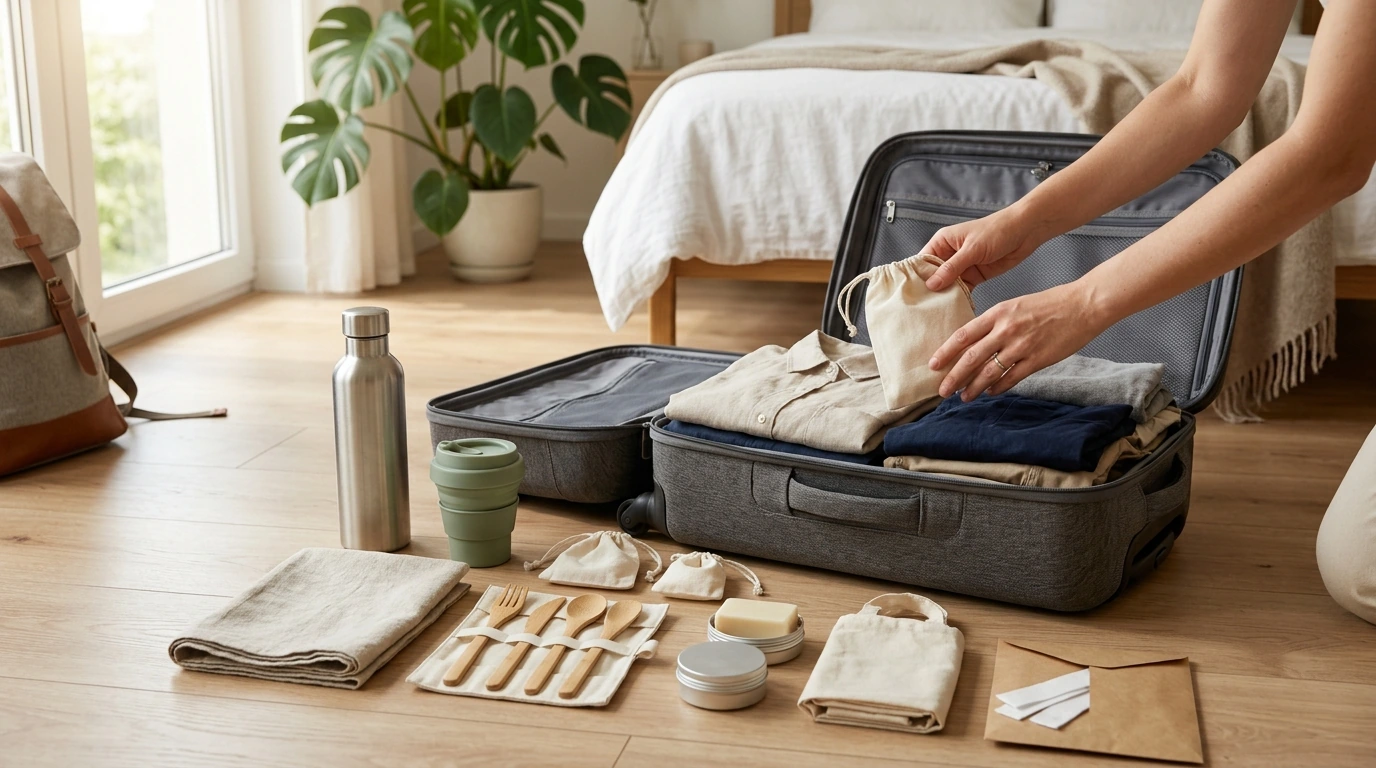
Eco-Friendly Traveler Checklist: Pack Lighter, Waste Less, Travel Better
Sustainable travel doesn’t require perfect choices—just a few reliable habits that reduce waste, save space, and keep trips running smoothly. The goal is to make your “default settings” greener: refuse what you don’t need, pack fewer (but better) items, and rely on a small reusable kit you can grab for any trip, from a two-day city break to a multi-country itinerary.
Start With Three Low-Waste Priorities
Refuse (make “no thanks” your default)
Skip single-use items automatically: plastic bags, extra cutlery, mini toiletries you didn’t request, and paper receipts when a digital option works. The easiest waste to manage is the waste you never create.
Reduce (pack fewer, smarter items)
Choose versatile pieces that pull double duty—layering clothing, multipurpose toiletries, and one comfortable shoe that can handle long walks and casual dinners. A lighter bag also reduces last-minute purchases you didn’t plan for.
Reuse (build a core kit you never have to rethink)
Create a small “always-pack” pouch that lives in your luggage or daypack. When it’s pre-packed, it becomes effortless to bring reusables every time.
Zero-Waste Core Kit (The Always-Pack Pouch)
Hydration and hot drinks
Bring a reusable bottle and—if you buy coffee or tea while traveling—a collapsible cup for cafés and airports. Refill first, then shop; it cuts both cost and packaging.
Food and leftovers
Pack a lightweight container or silicone bag, plus a cloth napkin. Add a few dependable snacks (nuts, dried fruit, granola) so you’re less likely to grab individually wrapped options in transit.
On-the-go tools
Include reusable cutlery and a straw if you need one. A compact tote bag helps for groceries, farmers markets, and unplanned souvenirs. If you carry a multitool, check local laws and airline rules first.
Waste and cleanup
A tiny bar soap or soap leaves handle quick handwashing and stain emergencies. Toss in a stain stick and a small zip pouch for “hold it until a proper bin” trash (like peels, wrappers, or receipts).
Packing List Swaps That Save Space and Cut Trash
Choose solids and concentrates
Solid shampoo/conditioner bars, toothpaste tablets, and refillable deodorant can reduce plastic packaging and eliminate liquid limits headaches. When you do need liquids, choose refillable containers and use them trip after trip.
Swap disposables for reusables
Plan for laundry so you can pack less
Protect gear and clothing without single-use plastic
| Travel need | Typical throwaway | Low-waste alternative | Why it helps |
|---|---|---|---|
| Water on the go | Plastic bottles | Refillable bottle + refill plan | Cuts single-use purchases and saves money |
| Toiletries | Mini plastic bottles | Solid bars/tablets + refillable container | Less liquid hassle; less packaging |
| Snacks | Individually wrapped items | Bulk snacks in a reusable bag/container | Reduces wrappers and impulse buys |
| Shopping | Plastic bag | Packable tote | Prevents extra bags and holds dirty laundry |
| Meals out | Single-use cutlery/straws | Reusable utensil set | Avoids disposables at takeout spots |
| Laundry | Extra outfits | Laundry strips + sink-wash routine | Pack less and re-wear responsibly |
Transit Choices That Reduce Impact (Without Overcomplicating Plans)
Bundle errands and transfers
Choose practical, lower-impact routes
Keep reusables accessible
Offsets are optional; reduction is primary
Staying at Hotels or Rentals: Small Habits With Big Results
Housekeeping by request
Energy and water basics
Skip minis and use your own system
Follow local sorting rules
Recycling and compost systems vary by region—ask your host or front desk if it’s unclear. The U.S. EPA’s Reduce, Reuse, Recycle guidance is a helpful baseline, but local rules always win.
Low-Impact Activities and Souvenirs
Protect places you came to enjoy
Stay on marked paths, keep distance from wildlife, and follow local guidance—especially in sensitive environments. The Leave No Trace Seven Principles are an easy framework for outdoor travel.
Support local communities
Choose local guides, local eateries, and locally owned shops whenever you can. Community-forward travel aligns with broader sustainability goals highlighted by UNWTO’s sustainable tourism work.
Buy fewer souvenirs, buy better
Leave places better than you found them
Make It Easy: A Checklist Routine That Sticks
Pre-trip (5 minutes)
Restock your core kit, check travel refills, and look up refill options near your lodging. If you prefer a ready-to-use format, try the Eco-Friendly Traveler Checklist digital download for a quick, printable system.
Day-of (set yourself up for transit)
Keep your pouch on top of your bag, eat before long transit windows when possible, and carry snacks plus a bottle. For a cleaner “pack light” workflow, the Minimalist Travel Packing Planner can help you avoid overpacking without second-guessing.
During the trip (2-minute evening reset)
Post-trip (make the next trip easier)
Note what you didn’t use and remove it from your list. For nature-forward planning inspiration that pairs well with low-impact habits, explore Top 10 Must-See U.S. National Parks + Fast Facts.
FAQ
What are the most important items for a zero-waste travel kit?
Start with a reusable bottle, a compact utensil set, a packable tote, and a food container or silicone bag. Add a simple toiletry setup with refillable containers or solid products to cover the most common single-use situations.
How can travel be more sustainable without spending a lot?
Use what you already own and focus on free habits: refuse extras, re-use towels, and plan refill points. Buy reusables only when they replace disposables you’d otherwise purchase repeatedly.
Are solid toiletries allowed in carry-on luggage?
Solid bars and tablets are generally simpler for carry-on rules than liquids, but it’s still smart to check current airline and airport guidelines. Any liquids you bring should comply with current volume limits and screening requirements.











Leave a comment