Combine Weights and Cardio for Faster Fat Loss
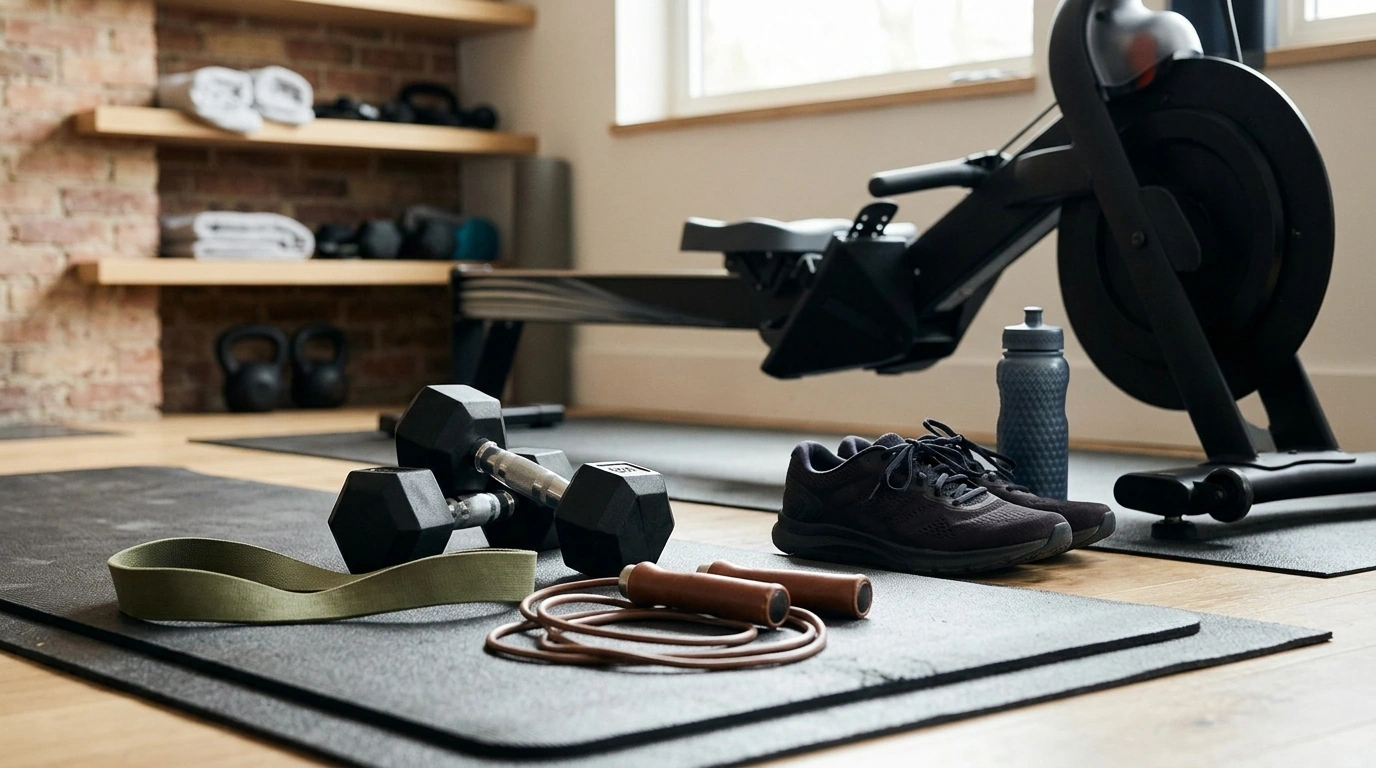
How to combine weight training and cardio for fat loss?
Combining weight training and cardio works best when the goal is to burn calories while keeping (or building) muscle. Strength training creates the “keep this tissue” signal for your body, and cardio helps increase total energy expenditure and conditioning. Together, they can make fat loss more efficient than doing either one alone.
Start with a weekly structure you can repeat
A practical setup is 3–4 days of weight training and 2–4 cardio sessions per week. If you’re new or busy, aim for consistency first: three full-body lifting sessions plus two moderate cardio sessions is enough to see progress when paired with a calorie deficit.
Decide the order: lift first most of the time
If fat loss and muscle retention are the priority, lift before cardio on the same day. That keeps strength performance higher, which supports progressive overload. If your main goal is improving endurance for an event, put cardio first on those specific days.
Use the right type of cardio for your recovery
Low- to moderate-intensity steady-state cardio (like incline walking, cycling, or easy jogging) is usually easier to recover from and pairs well with lifting. High-intensity intervals can work, but they’re more taxing—keep them to 1–2 sessions weekly if you’re also training heavy.
Keep the basics tight: nutrition, steps, sleep
Training can’t outwork inconsistent calories. Prioritize protein, lift with progressive intent, and increase daily movement (steps) to raise calorie burn without crushing recovery. Sleep matters because poor sleep can increase hunger and reduce training quality.
For sample schedules and more detail on balancing intensity, recovery, and results, visit How to Combine Weight Training and Cardio for Fat Loss.
For Combine Weights and Cardio for Faster Fat Loss, the best answer depends on fit, material, care instructions, and how the product will be used day to day.
FAQ
Should you do cardio on rest days when cutting?
Yes—easy cardio on rest days (like walking or light cycling) can increase calorie burn without interfering much with strength recovery. Keep it moderate so you’re fresh for your next lifting session.












Leave a comment